
 by Mike Brooks |
Last Updated: June 21, 2026
by Mike Brooks |
Last Updated: June 21, 2026 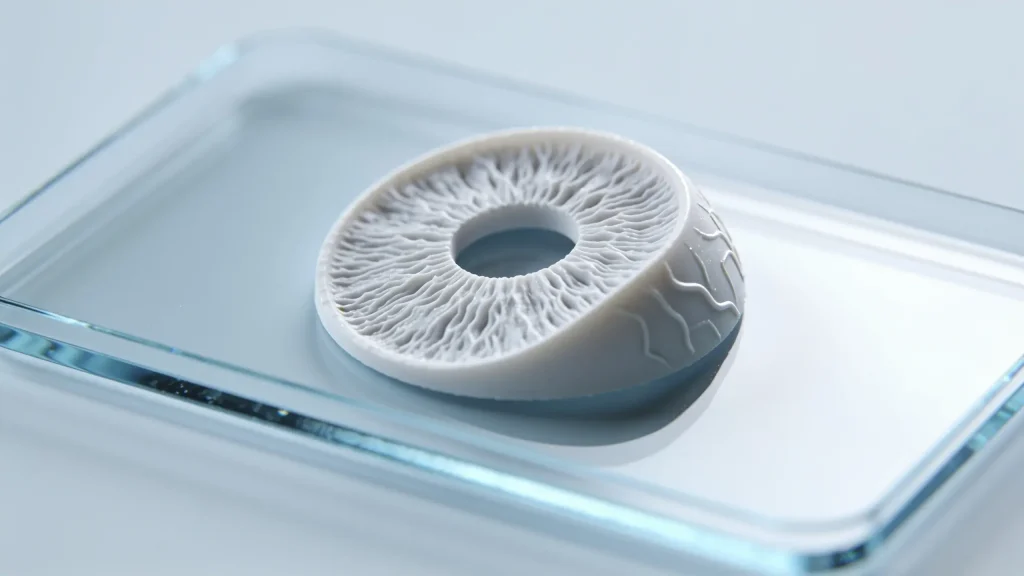
The first 3D-printed cornea might sound like sci-fi, but here we are, chatting about a science story that’s actually unfolding in labs and clinics. Imagine printing a tiny, transparent dome that can restore sight. That would be wild, right? Spoiler: we’re closer than you think.
What is a 3D-Printed Cornea, and Why Should You Care?
If you’ve ever squinted at a cloudy windshield, you know how tiny imperfections can ruin the view. The cornea is the eye’s clear, front window that helps focus light. When it’s damaged, vision goes blurry, sore, or worse. Traditional transplants fix many cases, but they come with donor shortages, rejection risks, and a load of red tape. Enter 3D printing: a way to tailor, reproduce, and potentially bypass some of those problems.
Big idea in plain English: scientists are using 3D printing to fabricate corneal tissue that could replace damaged tissue with something biocompatible, custom-fit, and faster to produce. No aliens, just clever biomaterials and a lot of biocompatibility nerdiness. FYI, this field blends optics, biology, and a dash of tinkerer’s spirit.
How 3D Printing Really Works in the Eye Business
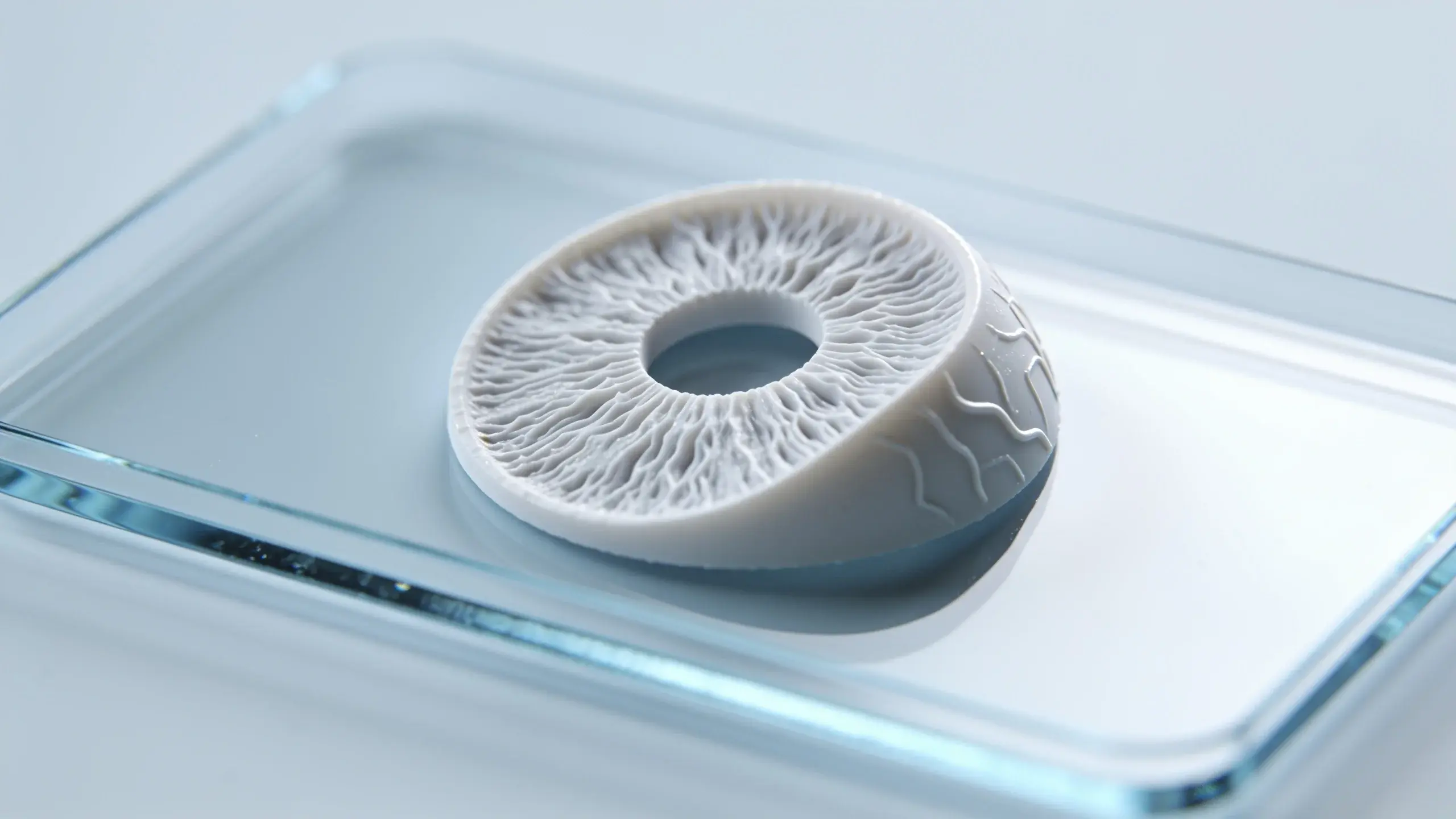
You might picture a chunky printer spewing plastic. In the cornea world, experts use bioprinting, which is printing with something that behaves like living tissue. The goal isn’t just a pretty shape; it’s a transparent, strong, and biologically friendly corneal substitute.
- Materials matter: researchers mix hydrogels, collagens, and sometimes stem-cell–laden bioinks to mimic corneal stroma—the stuff that gives the cornea its shape and strength.
- Resolution and accuracy: the cornea is delicate. Printing at the micrometer scale isn’t just nice to have—it’s essential for optical clarity.
- Biocompatibility: the printed tissue must avoid scarring and rejection, so scientists test every material combo for swelling, transparency, and how the body reacts.
What does success look like in the lab?
Progress means the printed sheet stays clear, integrates with the patient’s eye, and doesn’t trigger an inflammatory party. It also means the pain relief and vision improvement match or beat current options. It’s a high bar, but the arc is promising.
Current Milestones: Where We Are Now
Progress isn’t just a single breakthrough; it’s a string of little wins that add up. Here are some milestones that get eye doctors and patients excited.
- Prototype corneas: researchers have created functional, bioprinted corneal tissue that maintains transparency and some mechanical properties.
- Biocompatible materials: newer gels and scaffolds resist scarring and degrade safely in the eye over time.
- Animal models and early studies: a bunch of experiments show the printed tissue can survive in living eyes and support vision to an extent.
Where the rubber meets the road
The hard part isn’t printing the blob; it’s getting it to behave like natural tissue inside a living organ. Vascular supply, nerve integration, and long-term stability all matter. The timeline from lab glow-up to clinic on a patient’s eye can be long and winding, but the pace is picking up.
Why The 3D Aspect Matters
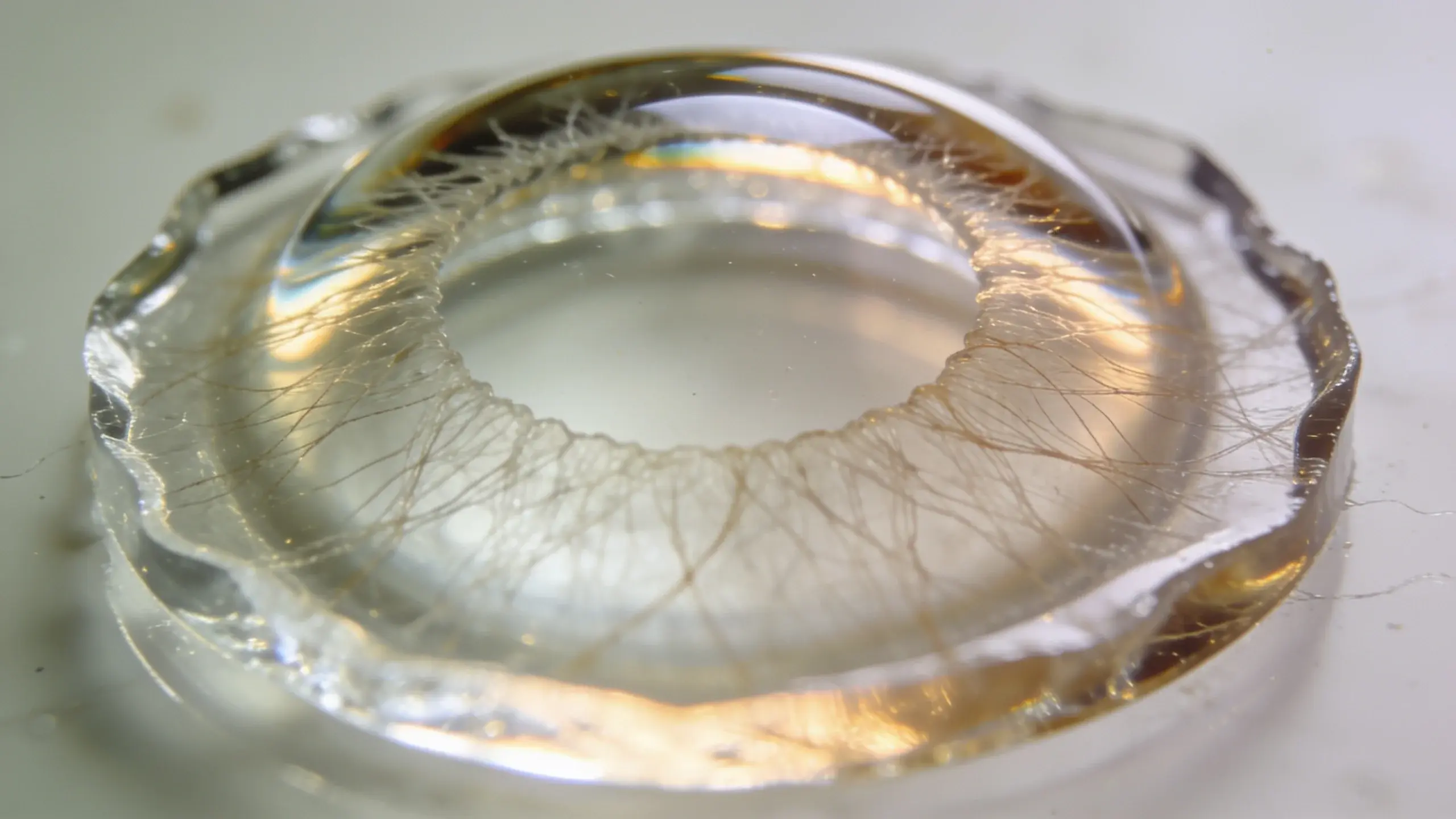
Printing lets researchers tailor corneas to each patient. You don’t just print a generic window—you print something that fits the patient’s curvature, thickness, and optical needs. Personalized medicine, but in the eye.
- Customization: every cornea is a little different. 3D printing can align with a patient’s unique anatomy.
- Speed and supply: if we can print corneas on demand, we reduce dependency on donors and long waitlists.
- Complex structures: the cornea isn’t flat. It has layers and textures that influence vision. Printing aims to replicate that complexity.
What about the immune system?
A big concern with any transplant is rejection. The idea here is to use materials and cells that “play nicely” with the immune system. Some teams are exploring patient-derived cells to keep things friendly. It’s not magic, but it’s a smart, cautious approach.
Path to Patients: Safety, Regulation, and Real-World Use
Bringing a lab breakthrough into an operating room requires a lot of checks. Think of it as jumping through hoops, but hoops designed to keep eyes safe.
- Preclinical safety: tests look for toxicity, inflammation, and integration with eye tissue.
- Clinical trials: phased studies track safety and efficacy in people. Expect careful monitoring and long timelines.
- Regulatory steps: bodies like the FDA or equivalent agencies review data before any new tissue product hits the clinic.
Ethical and access considerations
If this becomes a thing, who gets it first? How do we ensure affordability and fair access? These questions matter as science fiction becomes science fact. IMO, transparency and thoughtful policy will be as important as the tech itself.
Practical Realities: Pros, Cons, and My Honest Take

Let’s break down what this could mean if it comes to a mass market, or at least widespread clinical use.
- Pros: fewer donor shortages, lower rejection rates, customization, potentially quicker surgeries.
- Cons: regulatory hurdles, long-term safety unknowns, manufacturing consistency challenges, cost barriers.
- Overall vibe: exciting, but not a magic wand. It’s a step toward better options, not an instant replacement for everything in ophthalmology.
Could 3D-printed corneas replace traditional transplants?
Probably not overnight. The current vision is complement, not complete substitute. Some cases will benefit more than others, especially where donor tissue is scarce or where tailored corneas could help complex needs.
Hands-On Look: What a Patient Might Experience
If a 3D-printed cornea becomes a real option for you or someone you know, here’s how the journey could feel.
- Consultation: a specialist assesses eye health, curvature, and whether a printed cornea fits the bill.
- Preparation: a plan is made, which may involve testing cells, or using patient-derived cells to print a compatible tissue.
- Procedure: the implantation would be performed by a surgeon; imagine a precision, micro-scale operation with a lot of tiny, careful moves.
- Recovery: expect days to weeks of healing, with follow-ups to ensure proper integration and no complications.
Reality check: costs and access
New tech often carries a sticker price. Early adoption tends to be higher, but as with many innovations, prices can drop as manufacturing scales up and processes optimize. FYI, insurance coverage will hinge on proven safety and efficacy.
Shaping the Future: The Next 5–10 Years
Where are we headed? Here are some plausible milestones, based on current momentum and expert chatter.
- Smarter bioinks: materials that better mimic natural corneal properties and degrade safely over time.
- Increased personalization: printers calibrated to individual patient data for perfect fit.
- Combo therapies: printed corneas paired with regenerative cues to promote healing and integration.
Edge cases to watch
Some patients have corneas that are tough to treat. If printers can handle more complex shapes and degrees of opacity or scarring, those cases might get new options.
FAQ
Is a 3D-printed cornea ready for my doctor’s chair today?
Not yet, but progress is real and ongoing. Labs are showing promise, and a few safety-first early trials are inching toward clinical use. It’s coming, but patience pays off here.
What exactly is printed in a 3D-printed cornea?
Usually a combination of biocompatible hydrogels that mimic the cornea’s tough, transparent layers, sometimes with cells embedded to encourage growth and integration. The aim is to recreate transparency, strength, and the right curvature.
Are there risks similar to other transplants?
Yes, including inflammatory responses and potential rejection, but researchers are actively reducing these risks with better materials, patient-derived cells, and careful monitoring. The risk profile may differ from donor transplants, which is part of the strong motivation behind this approach.
How long would recovery take after a printed cornea implant?
Recovery timelines vary, but expect a period of close follow-up with an eye care team, plus medications to support healing and prevent inflammation. It won’t be a miracle the next day, but incremental improvements tend to stack up.
Could I be a candidate if I have a traditional corneal disease?
Possibly, especially in cases where donor tissue is scarce or where a customized solution would be advantageous. A specialist would evaluate your eye’s anatomy, health, and needs to decide if a printed option is suitable.
Conclusion
The first 3D-printed cornea feels like a door opening rather than a completed hallway. It signals a shift toward personalized, rapid, and potentially less controversial solutions for corneal blindness. It’s not a get-out-of-jail-free card for every eye problem, but it’s a bold, exciting approach that could redefine how we treat vision-weakening conditions.
If you’re nerding out like I am, here’s the punchline: 3D printing in ophthalmology is blending art, biology, and engineering to print something that actually matters—improving sight. FYI, the future might look a little clearer thanks to tiny printers and even tinier cells. Keep an eye on the updates, because this story isn’t done yet.
